4 Myths About Eating Gluten Free
Do you remember in the 90’s when fat was the nutrition enemy? Snack Wells made their big debut of a “healthy” fat-free snack. I harshly use those quotes because yes, maybe they are fat-free, but they are still a processed cookie that contains a ton of sugar and various chemicals. Fast forward 10 years and society realized the fat-free trend has died. Now gluten is the new nutrition enemy. As a supermarket dietitian, I find myself talking about the gluten-free misconception daily. I have customers come to me for nutrition counseling saying they are gluten free. My first question for them is why. Why are you deciding to be gluten free? Then I proceed to ask them, “Do you know what gluten is?” I am not asking them to embarrass them, but to open up a dialogue of nutrition awareness. The majority of consumers are not getting their nutrition information from a reputable source and really don’t know the answer to why they chose to go gluten free.Julie Harrington, RD
Julie is a registered dietitian living in New Jersey. She received her Bachelor’s degree in Culinary Nutrition at Johnson & Wales University and completed her dietetic internship at the College of Saint Elizabeth. She works at a grocery store as a Supermarket RD. On the side, she is a private chef, a spin instructor, and writes the blog RDelicious Kitchen. She believes that no food is off limits and loves to teach people how to incorporate the foods they love in a healthy way.
Follow Julie: Blog / Facebook / Twitter / Instagram
Want to save this post?
Enter your email below and get it sent straight to your inbox. Plus, I'll send you great content every week!
- Because it is healthier
- Because I want to eat low carb
- Because I have diabetes and need to eat low carb
- Because there are toxins in gluten
- Because I want to lose weight
- Because gluten is harmful to my body
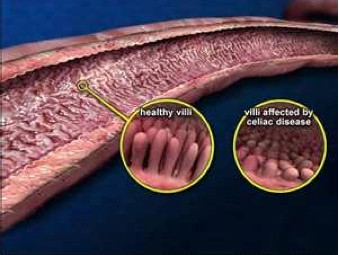 When the villi are destroyed, it leads to malabsorption and causes nutritional deficiencies such as iron-deficiency anemia, weight loss, growth stunting, diarrhea, abdominal pain, and vomiting. The most common symptoms (although in some cases there may be no symptoms at all) are gastrointestinal like bloating, gas, diarrhea, and nausea. Common non-intestinal symptoms include bone and joint pain, depression, itchy skin, migraines, and fatigue. Celiac disease has a wide variety of symptoms that often vary from person to person. Because there are approximately 300 symptoms associated with the disease, doctors often have difficulty diagnosing it and, in some cases, misdiagnose people with other digestive disorders such as irritable bowel syndrome (IBS). [2]
Often times, people may experience gastrointestinal symptoms from gluten, but it is causing no nutritional deficiencies and often misdiagnosed as IBS. This would be considered a gluten sensitivity. The reaction the body exhibits when digesting gluten may contribute to discomfort, like bloating, gas, diarrhea, etc., but it is not causing any nutritional deficiencies or damaging the villi, like with Celiac disease. When the sensitivity interferes with everyday living, one may choose to follow a gluten free diet to avoid continuous discomfort. The true difference is that with celiac disease a gluten free diet must be a lifelong commitment. Eating any amount of gluten, no matter how tiny it is, can damage the villi in the small intestines and prevent the absorption of essential nutrients. With someone who has a gluten sensitivity, gluten is avoided to manage symptoms; consuming gluten would not cause any nutritional problems, but symptoms will return.
But is following a gluten free diet for everyone? The simple answer is no. According to a recent survey of more than 1,000 Americans by Consumer Reports National Research Center, 63% thought that following a gluten free diet would improve physical or mental health. Unless you have celiac disease or a true gluten sensitivity, there is no reason to avoid gluten. When you cut out gluten completely, you can cut out foods that have valuable nutrients and may end up adding more calories and fat to your daily intake. [1]
Let’s clear up a few myths related to gluten and gluten free diets.
Myth #1: Gluten free is healthier.
Like mentioned above, when replacing gluten with other gluten free starch mixtures to create a gluten free product, that means adding sugar and fat. Additionally, most gluten free foods aren’t enriched or fortified with nutrients like folic acid and iron, like wheat products are.
When the villi are destroyed, it leads to malabsorption and causes nutritional deficiencies such as iron-deficiency anemia, weight loss, growth stunting, diarrhea, abdominal pain, and vomiting. The most common symptoms (although in some cases there may be no symptoms at all) are gastrointestinal like bloating, gas, diarrhea, and nausea. Common non-intestinal symptoms include bone and joint pain, depression, itchy skin, migraines, and fatigue. Celiac disease has a wide variety of symptoms that often vary from person to person. Because there are approximately 300 symptoms associated with the disease, doctors often have difficulty diagnosing it and, in some cases, misdiagnose people with other digestive disorders such as irritable bowel syndrome (IBS). [2]
Often times, people may experience gastrointestinal symptoms from gluten, but it is causing no nutritional deficiencies and often misdiagnosed as IBS. This would be considered a gluten sensitivity. The reaction the body exhibits when digesting gluten may contribute to discomfort, like bloating, gas, diarrhea, etc., but it is not causing any nutritional deficiencies or damaging the villi, like with Celiac disease. When the sensitivity interferes with everyday living, one may choose to follow a gluten free diet to avoid continuous discomfort. The true difference is that with celiac disease a gluten free diet must be a lifelong commitment. Eating any amount of gluten, no matter how tiny it is, can damage the villi in the small intestines and prevent the absorption of essential nutrients. With someone who has a gluten sensitivity, gluten is avoided to manage symptoms; consuming gluten would not cause any nutritional problems, but symptoms will return.
But is following a gluten free diet for everyone? The simple answer is no. According to a recent survey of more than 1,000 Americans by Consumer Reports National Research Center, 63% thought that following a gluten free diet would improve physical or mental health. Unless you have celiac disease or a true gluten sensitivity, there is no reason to avoid gluten. When you cut out gluten completely, you can cut out foods that have valuable nutrients and may end up adding more calories and fat to your daily intake. [1]
Let’s clear up a few myths related to gluten and gluten free diets.
Myth #1: Gluten free is healthier.
Like mentioned above, when replacing gluten with other gluten free starch mixtures to create a gluten free product, that means adding sugar and fat. Additionally, most gluten free foods aren’t enriched or fortified with nutrients like folic acid and iron, like wheat products are.
[1]
While eating gluten free may mean reducing some of the processed junk food from your diet (awesome!), it’s not the lack of the gluten that is making it healthier, but the lack of all that junky, processed food. Myth #2: Eating gluten free is expensive. If you go overboard on purchasing all processed gluten free products and relying on only those for nourishment, then yes, it may get pricey. But you can eat gluten free in a lower cost way, too. Build the base of your diet around healthy and naturally gluten free foods like:- Meat, poultry, and eggs: unseasoned beef, poultry, pork, eggs
- Seafood: fish, shellfish
- Cereals: cream of rice, puffed rice
- Dairy: milk, cheese, yogurt
- Fats and Oils: olive oil, butter
- Produce: variety of fruits and vegetables, herbs
- Snacks: nuts, seeds, corn chips, popcorn
- Canned/packaged goods: tuna, beans, lentils
- Grains/Starches: brown rice, quinoa, millet, gluten free flours
This isn’t to say that gluten free products aren’t healthy – many of them can be, especially if they are minimally processed and don’t include as many additives as some of the processed wheat products might. But it’s not always true to assume that gluten free means low carb – it often doesn’t. So, before jumping on the gluten free bandwagon, really identify if this is the best choice for you. Many do not know why they are following the latest diet craze or even what it is! Be a smart consumer – do your research. For more on this topic of gluten free myths, there was an interesting article in the New Yorker recently entitled Against the Grain. Check it out! Sources:Gluten Free bread / Serving Size: 1 slice = 21 grams of carbohydrates
Whole wheat bread / Serving size: 1 slice = 15 grams of carbohydrates (plus more fiber, protein & less sugar)

- http://www.consumerreports.org/cro/magazine/2015/01/will-a- gluten-free-diet-really-make-you-healthier/index.htm
- http://nspt4kids.com/parenting/is-gluten-bad-for-you/