Good morning! In honor of World Diabetes Day today, I’m happy to share a guest post from fANNEtastic blog reader and type 1 diabetic Allison Nimlos. I hope you find it interesting and informative!
Take it away, Allison – thank you for sharing with us today!
 Diabetes affects approximately 30 million people in the U.S., and yet it is one of the most commonly misunderstood diseases. I’ve had type 1 diabetes for more than 20 years and am active in the Diabetes Online Community (yep — there are online communities for everything!). I’ve also written for some diabetes magazines and websites.
 Since World Diabetes Day is on the 14th of November, I decided to share 14 things that will help you to understand diabetes a little better.
#1: There is more than one type of diabetes.
The media likes to only refer to “diabetes” but there are actually several types of diabetes! The two main types are type 1 diabetes and type 2 diabetes.
Since World Diabetes Day is on the 14th of November, I decided to share 14 things that will help you to understand diabetes a little better.
#1: There is more than one type of diabetes.
The media likes to only refer to “diabetes” but there are actually several types of diabetes! The two main types are type 1 diabetes and type 2 diabetes.
 #5: Diabetes is stigmatized.
Because of the connection to obesity, a lot of people feel they are blamed for their diabetes. It can be very depressing and discouraging. In addition, many people with type 1 diabetes — who definitely have no control over their diabetes — also feel that they are blamed. Comments like “Did you eat too many candy bars?” is not only inaccurate, it’s hurtful.
#6: Diabetes is complicated.
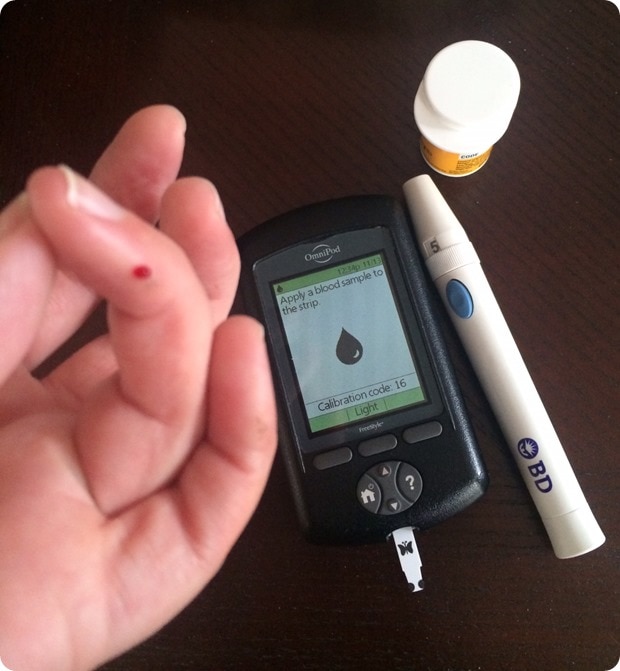
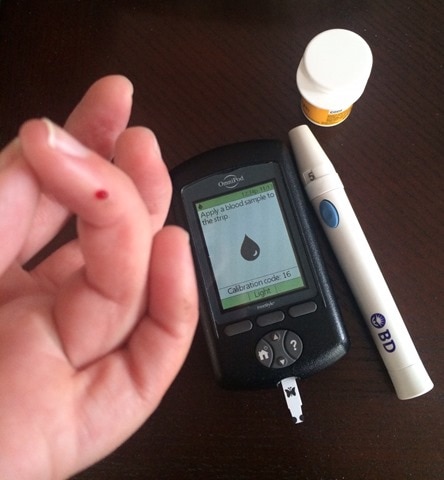
This isn’t a “pop a pill and you’re done” disease. Diabetes requires a lot of thinking and monitoring. I test my blood sugar 6-8 times a day, in addition to wearing an insulin pump. None of these devices “think” for themselves. I count the carbs in everything I eat and try to balance that with insulin, while also taking into account my activity level (am I about to go for a run?). Unfortunately, there are 22 different things that can cause blood sugar to rise or fall, and I only have control over a couple of them!
#7: Diabetes is confusing.
Like Anne, I love to run. I have a system for how I personally exercise with diabetes, which involves getting up, testing my blood sugar, and working out before I eat anything. Normally this works just fine. But sometimes my blood sugar goes low or high, and usually I don’t know why. Sometimes it is something I miscalculated, but often times there isn’t any rhyme or reason!
#5: Diabetes is stigmatized.
Because of the connection to obesity, a lot of people feel they are blamed for their diabetes. It can be very depressing and discouraging. In addition, many people with type 1 diabetes — who definitely have no control over their diabetes — also feel that they are blamed. Comments like “Did you eat too many candy bars?” is not only inaccurate, it’s hurtful.
#6: Diabetes is complicated.
This isn’t a “pop a pill and you’re done” disease. Diabetes requires a lot of thinking and monitoring. I test my blood sugar 6-8 times a day, in addition to wearing an insulin pump. None of these devices “think” for themselves. I count the carbs in everything I eat and try to balance that with insulin, while also taking into account my activity level (am I about to go for a run?). Unfortunately, there are 22 different things that can cause blood sugar to rise or fall, and I only have control over a couple of them!
#7: Diabetes is confusing.
Like Anne, I love to run. I have a system for how I personally exercise with diabetes, which involves getting up, testing my blood sugar, and working out before I eat anything. Normally this works just fine. But sometimes my blood sugar goes low or high, and usually I don’t know why. Sometimes it is something I miscalculated, but often times there isn’t any rhyme or reason!
 #8: Diabetes isn’t fair.
Even when we do everything right, things can go wrong. We can monitor our blood sugar, eat healthy, get regular exercise, and still suffer long-term complications. Just because something went wrong with our health doesn’t mean we did something wrong. Sometimes, it’s just diabetes. And that’s why we need a cure.
#9: Diabetes is not quiet.
Insulin pumps buzz. Glucose meters beep. There are audible noises we hear daily. But diabetes is also intrusive. When blood sugar goes high or low, it brings our world to a halt.
Symptoms of high blood sugar usually include thirst, excessive urination, and nausea. Low blood sugar can cause weakness, dizziness, and excessive hunger. You can imagine that either of these will quickly pause whatever you’re doing.
#10: Diabetes is not a spectator sport.
A lot of people like to chime in on how we should manage our diabetes. For example, asking someone at a party, “Are you sure you can eat that?” might seem like an innocent question, but it makes us feel accused of doing something wrong.
#11: Diabetes is not a sugar-free disease.
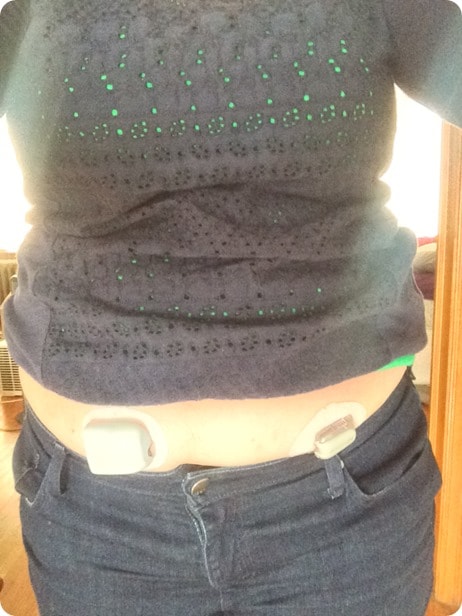
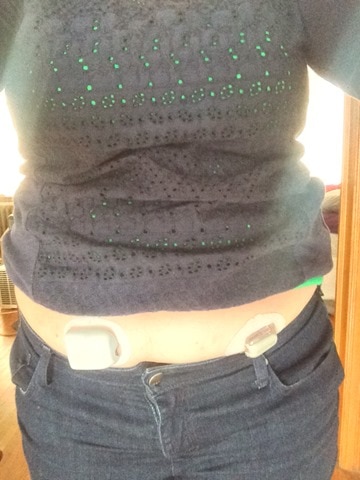
People with diabetes can eat sugar! I use an insulin pump (pictured below) to match the food I want to eat with the right amount of insulin. Of course, the carbs in homemade goodies and restaurants food are still complicated to calculate, so some people choose not to indulge at all. But everyone is able to make their own decision.
#8: Diabetes isn’t fair.
Even when we do everything right, things can go wrong. We can monitor our blood sugar, eat healthy, get regular exercise, and still suffer long-term complications. Just because something went wrong with our health doesn’t mean we did something wrong. Sometimes, it’s just diabetes. And that’s why we need a cure.
#9: Diabetes is not quiet.
Insulin pumps buzz. Glucose meters beep. There are audible noises we hear daily. But diabetes is also intrusive. When blood sugar goes high or low, it brings our world to a halt.
Symptoms of high blood sugar usually include thirst, excessive urination, and nausea. Low blood sugar can cause weakness, dizziness, and excessive hunger. You can imagine that either of these will quickly pause whatever you’re doing.
#10: Diabetes is not a spectator sport.
A lot of people like to chime in on how we should manage our diabetes. For example, asking someone at a party, “Are you sure you can eat that?” might seem like an innocent question, but it makes us feel accused of doing something wrong.
#11: Diabetes is not a sugar-free disease.
People with diabetes can eat sugar! I use an insulin pump (pictured below) to match the food I want to eat with the right amount of insulin. Of course, the carbs in homemade goodies and restaurants food are still complicated to calculate, so some people choose not to indulge at all. But everyone is able to make their own decision.
 #12: Diabetes is not a joke.
It hurts to hear jokes about some oversized dessert labeled “diabetes.” You don’t see jokes about cancer because it isn’t funny. To think that people find your suffering amusing — regardless of how that suffering came to be — is miserable and dehumanizing.
#13: Diabetes is a big community of awesome people.
Diabetes touches us all. If you or someone you know has diabetes, the Diabetes Online Community is ready to help! From social networks like TuDiabetes and Diabetes Daily to personal blogs like mine (here are a few other blogs that I really like: sixuntilme.com, textingmypancreas.com, scottsdiabetes.com) to weekly Twitter chats, there really is something for everyone!
#14: Diabetes is an obstacle, not a limitation.
Despite diabetes, you can still achieve your dreams! You can be a rock star (Nick Jonas), a pro football player (Jay Cutler), climb Mt. Everest (Will Cross) or perform for the New York City Ballet (Zippora Karz). Sebastian Sasseville, a Canadian with diabetes, just finished running across Canada — all of it! He had to diligently monitor his blood sugar and make adjustments to food and insulin regularly, but he did it!
If you have any questions about diabetes, please feel free to ask in the comments! Did you learn anything new from this post?
#12: Diabetes is not a joke.
It hurts to hear jokes about some oversized dessert labeled “diabetes.” You don’t see jokes about cancer because it isn’t funny. To think that people find your suffering amusing — regardless of how that suffering came to be — is miserable and dehumanizing.
#13: Diabetes is a big community of awesome people.
Diabetes touches us all. If you or someone you know has diabetes, the Diabetes Online Community is ready to help! From social networks like TuDiabetes and Diabetes Daily to personal blogs like mine (here are a few other blogs that I really like: sixuntilme.com, textingmypancreas.com, scottsdiabetes.com) to weekly Twitter chats, there really is something for everyone!
#14: Diabetes is an obstacle, not a limitation.
Despite diabetes, you can still achieve your dreams! You can be a rock star (Nick Jonas), a pro football player (Jay Cutler), climb Mt. Everest (Will Cross) or perform for the New York City Ballet (Zippora Karz). Sebastian Sasseville, a Canadian with diabetes, just finished running across Canada — all of it! He had to diligently monitor his blood sugar and make adjustments to food and insulin regularly, but he did it!
If you have any questions about diabetes, please feel free to ask in the comments! Did you learn anything new from this post?
——
First, I want to say thank you to Anne for allowing me to share a bit of diabetes education today, World Diabetes Day, and during November which is National Diabetes Awareness Month.
Want to save this post?
Enter your email below and get it sent straight to your inbox. Plus, I'll send you great content every week!
 Since World Diabetes Day is on the 14th of November, I decided to share 14 things that will help you to understand diabetes a little better.
#1: There is more than one type of diabetes.
The media likes to only refer to “diabetes” but there are actually several types of diabetes! The two main types are type 1 diabetes and type 2 diabetes.
Since World Diabetes Day is on the 14th of November, I decided to share 14 things that will help you to understand diabetes a little better.
#1: There is more than one type of diabetes.
The media likes to only refer to “diabetes” but there are actually several types of diabetes! The two main types are type 1 diabetes and type 2 diabetes.
- Type 1 diabetes is an autoimmune disease that affects about 3 million people. The immune system kills off insulin-producing cells. Insulin is a hormone that acts as a key to allow sugar to enter cells so they can use sugar for energy. People with type 1 diabetes must take insulin injections, or they can wear an insulin pump. There is no known cause, but researchers believe it’s a combination of genetics and an unknown environmental component.
- Type 2 diabetes is a metabolic disease that affects the other 27 million people. In this case, the body becomes resistant to the insulin that is produced, causing elevated blood sugar levels. Type 2 diabetes is heavily influenced by genetics, societal risk factors (such as economic class) and even aging (type 2 diabetes is more likely the older you get, independent of your size), along with lifestyle issues like obesity.
 #5: Diabetes is stigmatized.
Because of the connection to obesity, a lot of people feel they are blamed for their diabetes. It can be very depressing and discouraging. In addition, many people with type 1 diabetes — who definitely have no control over their diabetes — also feel that they are blamed. Comments like “Did you eat too many candy bars?” is not only inaccurate, it’s hurtful.
#6: Diabetes is complicated.
This isn’t a “pop a pill and you’re done” disease. Diabetes requires a lot of thinking and monitoring. I test my blood sugar 6-8 times a day, in addition to wearing an insulin pump. None of these devices “think” for themselves. I count the carbs in everything I eat and try to balance that with insulin, while also taking into account my activity level (am I about to go for a run?). Unfortunately, there are 22 different things that can cause blood sugar to rise or fall, and I only have control over a couple of them!
#7: Diabetes is confusing.
Like Anne, I love to run. I have a system for how I personally exercise with diabetes, which involves getting up, testing my blood sugar, and working out before I eat anything. Normally this works just fine. But sometimes my blood sugar goes low or high, and usually I don’t know why. Sometimes it is something I miscalculated, but often times there isn’t any rhyme or reason!
#5: Diabetes is stigmatized.
Because of the connection to obesity, a lot of people feel they are blamed for their diabetes. It can be very depressing and discouraging. In addition, many people with type 1 diabetes — who definitely have no control over their diabetes — also feel that they are blamed. Comments like “Did you eat too many candy bars?” is not only inaccurate, it’s hurtful.
#6: Diabetes is complicated.
This isn’t a “pop a pill and you’re done” disease. Diabetes requires a lot of thinking and monitoring. I test my blood sugar 6-8 times a day, in addition to wearing an insulin pump. None of these devices “think” for themselves. I count the carbs in everything I eat and try to balance that with insulin, while also taking into account my activity level (am I about to go for a run?). Unfortunately, there are 22 different things that can cause blood sugar to rise or fall, and I only have control over a couple of them!
#7: Diabetes is confusing.
Like Anne, I love to run. I have a system for how I personally exercise with diabetes, which involves getting up, testing my blood sugar, and working out before I eat anything. Normally this works just fine. But sometimes my blood sugar goes low or high, and usually I don’t know why. Sometimes it is something I miscalculated, but often times there isn’t any rhyme or reason!
 #8: Diabetes isn’t fair.
Even when we do everything right, things can go wrong. We can monitor our blood sugar, eat healthy, get regular exercise, and still suffer long-term complications. Just because something went wrong with our health doesn’t mean we did something wrong. Sometimes, it’s just diabetes. And that’s why we need a cure.
#9: Diabetes is not quiet.
Insulin pumps buzz. Glucose meters beep. There are audible noises we hear daily. But diabetes is also intrusive. When blood sugar goes high or low, it brings our world to a halt.
Symptoms of high blood sugar usually include thirst, excessive urination, and nausea. Low blood sugar can cause weakness, dizziness, and excessive hunger. You can imagine that either of these will quickly pause whatever you’re doing.
#10: Diabetes is not a spectator sport.
A lot of people like to chime in on how we should manage our diabetes. For example, asking someone at a party, “Are you sure you can eat that?” might seem like an innocent question, but it makes us feel accused of doing something wrong.
#11: Diabetes is not a sugar-free disease.
People with diabetes can eat sugar! I use an insulin pump (pictured below) to match the food I want to eat with the right amount of insulin. Of course, the carbs in homemade goodies and restaurants food are still complicated to calculate, so some people choose not to indulge at all. But everyone is able to make their own decision.
#8: Diabetes isn’t fair.
Even when we do everything right, things can go wrong. We can monitor our blood sugar, eat healthy, get regular exercise, and still suffer long-term complications. Just because something went wrong with our health doesn’t mean we did something wrong. Sometimes, it’s just diabetes. And that’s why we need a cure.
#9: Diabetes is not quiet.
Insulin pumps buzz. Glucose meters beep. There are audible noises we hear daily. But diabetes is also intrusive. When blood sugar goes high or low, it brings our world to a halt.
Symptoms of high blood sugar usually include thirst, excessive urination, and nausea. Low blood sugar can cause weakness, dizziness, and excessive hunger. You can imagine that either of these will quickly pause whatever you’re doing.
#10: Diabetes is not a spectator sport.
A lot of people like to chime in on how we should manage our diabetes. For example, asking someone at a party, “Are you sure you can eat that?” might seem like an innocent question, but it makes us feel accused of doing something wrong.
#11: Diabetes is not a sugar-free disease.
People with diabetes can eat sugar! I use an insulin pump (pictured below) to match the food I want to eat with the right amount of insulin. Of course, the carbs in homemade goodies and restaurants food are still complicated to calculate, so some people choose not to indulge at all. But everyone is able to make their own decision.
 #12: Diabetes is not a joke.
It hurts to hear jokes about some oversized dessert labeled “diabetes.” You don’t see jokes about cancer because it isn’t funny. To think that people find your suffering amusing — regardless of how that suffering came to be — is miserable and dehumanizing.
#13: Diabetes is a big community of awesome people.
Diabetes touches us all. If you or someone you know has diabetes, the Diabetes Online Community is ready to help! From social networks like TuDiabetes and Diabetes Daily to personal blogs like mine (here are a few other blogs that I really like: sixuntilme.com, textingmypancreas.com, scottsdiabetes.com) to weekly Twitter chats, there really is something for everyone!
#14: Diabetes is an obstacle, not a limitation.
Despite diabetes, you can still achieve your dreams! You can be a rock star (Nick Jonas), a pro football player (Jay Cutler), climb Mt. Everest (Will Cross) or perform for the New York City Ballet (Zippora Karz). Sebastian Sasseville, a Canadian with diabetes, just finished running across Canada — all of it! He had to diligently monitor his blood sugar and make adjustments to food and insulin regularly, but he did it!
If you have any questions about diabetes, please feel free to ask in the comments! Did you learn anything new from this post?
#12: Diabetes is not a joke.
It hurts to hear jokes about some oversized dessert labeled “diabetes.” You don’t see jokes about cancer because it isn’t funny. To think that people find your suffering amusing — regardless of how that suffering came to be — is miserable and dehumanizing.
#13: Diabetes is a big community of awesome people.
Diabetes touches us all. If you or someone you know has diabetes, the Diabetes Online Community is ready to help! From social networks like TuDiabetes and Diabetes Daily to personal blogs like mine (here are a few other blogs that I really like: sixuntilme.com, textingmypancreas.com, scottsdiabetes.com) to weekly Twitter chats, there really is something for everyone!
#14: Diabetes is an obstacle, not a limitation.
Despite diabetes, you can still achieve your dreams! You can be a rock star (Nick Jonas), a pro football player (Jay Cutler), climb Mt. Everest (Will Cross) or perform for the New York City Ballet (Zippora Karz). Sebastian Sasseville, a Canadian with diabetes, just finished running across Canada — all of it! He had to diligently monitor his blood sugar and make adjustments to food and insulin regularly, but he did it!
If you have any questions about diabetes, please feel free to ask in the comments! Did you learn anything new from this post?