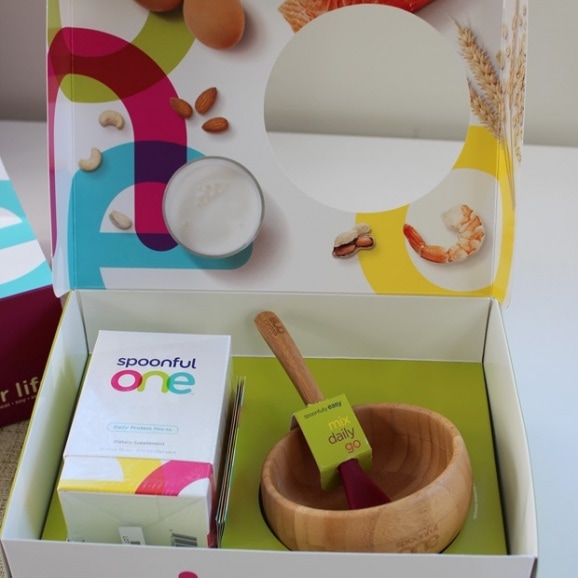
Thank you to SpoonfulOne for sponsoring this post.
Now that Matt and I are about to become parents, I’ve been paying a lot more attention to news and updates related to babies and kids. Being a dietitian and having a particular interest in food and nutrition, one of the hot topics I’ve been following recently in particular is allergy development, and potential ways to proactively train your child’s system with the foods responsible for most food allergies. Neither Matt nor I have any food allergies, but 2/3 of children with allergies have no parents with allergies, so clearly it’s something we should still be paying attention to. The more research that I’ve done, the more I have discovered that avoiding a potential allergen for too long can actually increase the risk that your child will develop allergies. In fact, research shows that avoiding a potentially allergenic food like peanuts increased the risk five to one that the child would develop an allergy to that food. (Sources: 1, 2, 3) Other research shows that healthy babies can (and should) start eating allergenic foods as early as 4 to 6 months. (Sources: 1, 2) In addition to being at increased risk of allergies, a child who lacks early dietary diversity also has an increased risk of asthma and atopic dermatitis. (Sources: 1, 2) So, I knew that I wanted to introduce common foods that could potentially become allergens to our child early on, but I wasn’t sure what that approach would look like or how I would do it until I learned about SpoonfulOne.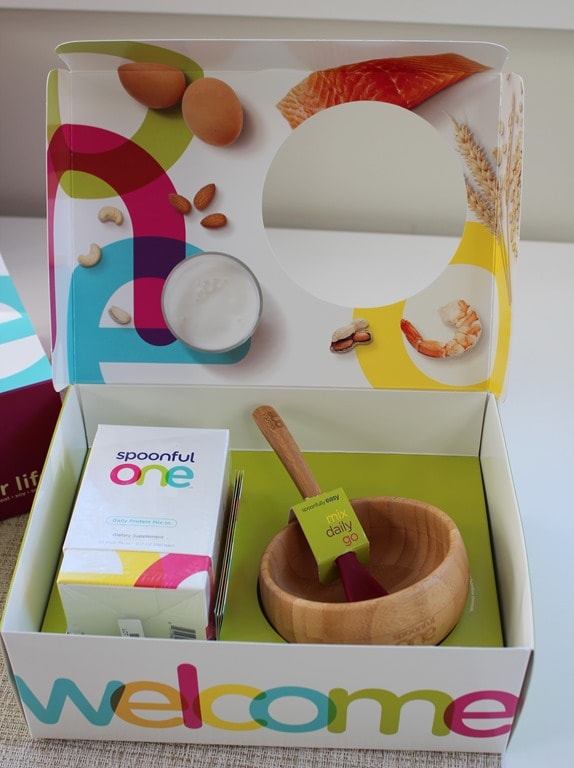
Want to save this post?
Enter your email below and get it sent straight to your inbox. Plus, I'll send you great content every week!
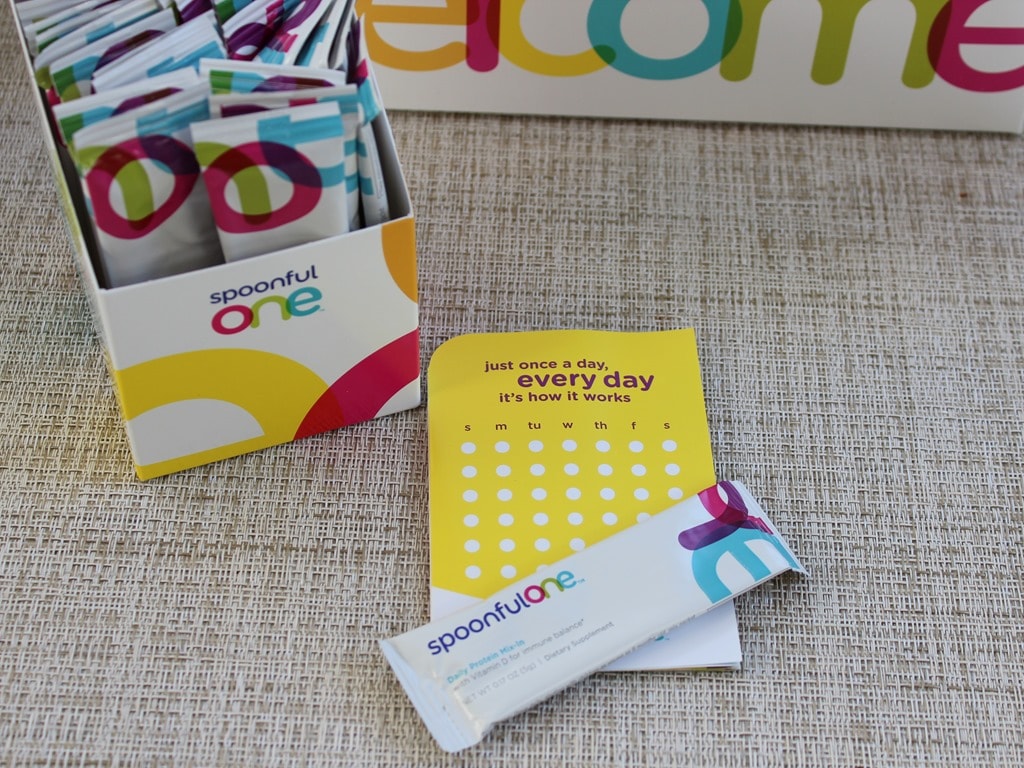 Check out their website for more details and/or to order, if you’re interested! And check out my Instagram and Facebook page today to enter to win some free product!
If you’re a parent, what has your approach been with your child in terms of introducing allergens?
If you’re a soon-to-be parent like us, what do you think your approach will be?
Check out their website for more details and/or to order, if you’re interested! And check out my Instagram and Facebook page today to enter to win some free product!
If you’re a parent, what has your approach been with your child in terms of introducing allergens?
If you’re a soon-to-be parent like us, what do you think your approach will be?