Still having egg whites, low fat peanut butter and sugary nonfat lattes or fat free yogurt? Read on to learn why you should consider ditching the low fat and low cholesterol diet trend once and for all.
Why the Low Fat and Cholesterol Diet Craze was a Huge Fail
A lot of my readers, friends, and AnneTheRD nutrition clients have asked how my own diet (and by diet, I simply mean what I eat, not being on a diet) has changed since learning more about nutrition. Honestly, I tell them? I eat more fat. More fat, you say? But isn’t that supposed to be bad for us? Well… not necessarily.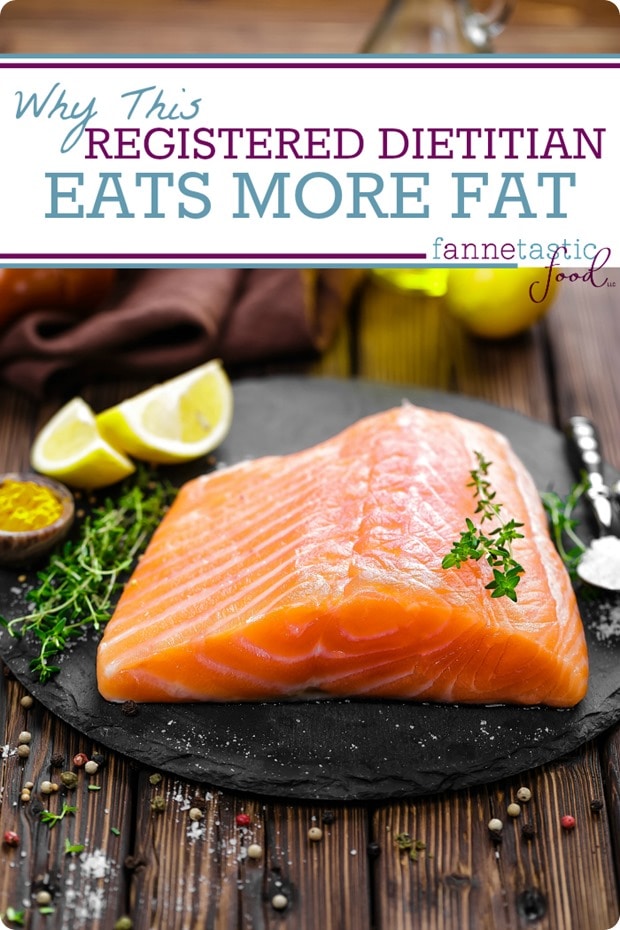
 During the 1980s, there were a couple major reports that came out that would alter the way Americans ate and kick off the low-fat and anti-cholesterol craze that I’m sure many of us remember well (and might still be abiding by). In these reports, decreasing saturated fat and dietary cholesterol were labeled as the single most important changes that one could make to improve their health, which translated into a national food production frenzy to create low fat diet products. Everyone started eating eggs without the yolks, low fat crackers, low fat cookies, low fat dairy products, low fat everything. But something strange happened – Americans continued to get heavier than ever, and their overall health wasn’t improving, either.
The underlying problem it seems, at least related to processed food, was threefold. First, the calorie content of the products (and the overall diets) remained the same, but their satiety went down, due to the absence of fat, which keeps you full and satisfied longer. This can lead to potentially overeating because you never feel satisfied.
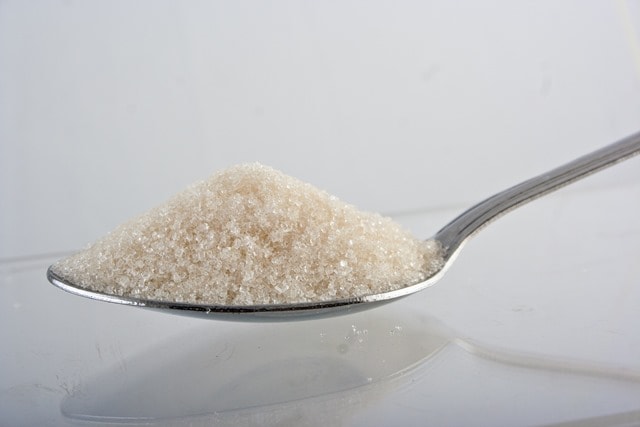
Second, extra sugar (and salt, in some cases) was added to make the products still taste okay, which meant that the products, while lower in fat, were now higher in carbs. And ironically, something I learned in biochemistry class in grad school is that excess carbohydrates, especially those that are processed/refined, actually increase your cholesterol (and your triglycerides, a type of fat in the blood that are an important measure of heart health) more than dietary cholesterol intake does! Research has shown that when people with high LDL cholesterol (the “bad” kind) purge their diet of saturated fats, they lower one kind of LDL, but not the small, dense particles that are linked to high carbohydrate intake and are implicated in heart disease.
Further, studies are showing that high total cholesterol might not be a problem at all anyway, especially if the two types of cholesterol (LDL and HDL) are in balance and there are not an abundance of small, dense LDL. After all, cholesterol is vital for a number of body processes, including production of hormones and healthy cell formation. Some studies even show that higher cholesterol can correlate with a lower risk of heart disease, and a recent study from from UCLA found that the majority of heart attack patients (75%) admitted to their hospital did not have high total cholesterol – but they did have metabolic syndrome, which is the name for a group of risk factors that increases your likelihood of heart disease. One of these risk factors is high triglycerides; the others include hypertension, high fasting blood sugar, abdominal obesity, and low HDL (“good” cholesterol). Unlike high triglycerides, though, there is a lack of concrete evidence showing that saturated fat intake (from real, unaltered sources) leads to heart disease or increased mortality. And what causes high triglycerides? You guessed it – diets high in sugar and refined carbohydrates, which is what manufacturers were replacing the fat in their products with.
During the 1980s, there were a couple major reports that came out that would alter the way Americans ate and kick off the low-fat and anti-cholesterol craze that I’m sure many of us remember well (and might still be abiding by). In these reports, decreasing saturated fat and dietary cholesterol were labeled as the single most important changes that one could make to improve their health, which translated into a national food production frenzy to create low fat diet products. Everyone started eating eggs without the yolks, low fat crackers, low fat cookies, low fat dairy products, low fat everything. But something strange happened – Americans continued to get heavier than ever, and their overall health wasn’t improving, either.
The underlying problem it seems, at least related to processed food, was threefold. First, the calorie content of the products (and the overall diets) remained the same, but their satiety went down, due to the absence of fat, which keeps you full and satisfied longer. This can lead to potentially overeating because you never feel satisfied.
Second, extra sugar (and salt, in some cases) was added to make the products still taste okay, which meant that the products, while lower in fat, were now higher in carbs. And ironically, something I learned in biochemistry class in grad school is that excess carbohydrates, especially those that are processed/refined, actually increase your cholesterol (and your triglycerides, a type of fat in the blood that are an important measure of heart health) more than dietary cholesterol intake does! Research has shown that when people with high LDL cholesterol (the “bad” kind) purge their diet of saturated fats, they lower one kind of LDL, but not the small, dense particles that are linked to high carbohydrate intake and are implicated in heart disease.
Further, studies are showing that high total cholesterol might not be a problem at all anyway, especially if the two types of cholesterol (LDL and HDL) are in balance and there are not an abundance of small, dense LDL. After all, cholesterol is vital for a number of body processes, including production of hormones and healthy cell formation. Some studies even show that higher cholesterol can correlate with a lower risk of heart disease, and a recent study from from UCLA found that the majority of heart attack patients (75%) admitted to their hospital did not have high total cholesterol – but they did have metabolic syndrome, which is the name for a group of risk factors that increases your likelihood of heart disease. One of these risk factors is high triglycerides; the others include hypertension, high fasting blood sugar, abdominal obesity, and low HDL (“good” cholesterol). Unlike high triglycerides, though, there is a lack of concrete evidence showing that saturated fat intake (from real, unaltered sources) leads to heart disease or increased mortality. And what causes high triglycerides? You guessed it – diets high in sugar and refined carbohydrates, which is what manufacturers were replacing the fat in their products with.
 Heart disease, which is also called cardiovascular disease, or CVD, is, as we know, a BIG problem in the U.S. right now. Recent studies have looked at the relationship between heart disease and lifestyle, suggesting that 90% of CVD is caused by modifiable diet and lifestyle factors. But what (in addition to, potentially, high sugar intake) are those diet factors, if cholesterol and saturated fat were not necessarily to blame?
Well, in addition to the increase in carbohydrate and sugar consumption due to the low fat diet craze, the third point here is that processed vegetable fats/oils were also being pushed to replace animal fat, with the assumption that they would be better for health because they were lower in saturated fat. This led to the development and promotion of margarine, and other baking fats that were made from vegetable oil, and these products were used in a lot of processed foods, too. These products were created using a process called hydrogenation, which converts a liquid oil (like soybean or corn oil) to margarine or vegetable shortening that is solid at room temperature, and creates something called trans-fats in the process. At the time, we didn’t realize it, but we now know that trans-fat has been found to increase LDL, or “bad” cholesterol levels, to decrease HDL, or “good” cholesterol levels, and to increase risk for heart disease, diabetes, and cancer. Oops, right? (If you’re interested to read more about this, check this post out: what is trans-fat and how and why to avoid it.)
Another problem that stemmed from the increased consumption of vegetable oils is that the ratio of omega-6 to omega-3 polyunsaturated fats in the American diet changed. Vegetable oils (like soybean, sunflower, corn, cottonseed, sesame oil, etc.), are high in omega-6 fatty acids, which, while they do have their function, are now being over-consumed, particularly in comparison to omega-3. Between 1935 and 1939, the ratio of omega-6 to omega-3 fatty acids was reported to be 8.4:1; today, estimates of the ratio range from an average of 10:1 to 20:1, with a ratio as high as 25:1 in some. According to a report from the USDA, Americans now get almost 20% of their calories from soybean oil, with nearly 9% of all calories coming from omega-6 alone.
So, what’s the problem with that? Well, omega-6 is pro-inflammatory, and inflammation in the body can be a factor in increased heart disease risk; in fact, elevated omega-6 intakes have been associated with an increase in all inflammatory diseases. On the flipside, studies are showing that a lower ratio of omega-6 to omega-3 (so, more omega-3 intake – and/or less omega-6) can reduce the risk of chronic diseases. Higher levels of long chain omega-3s in the blood have been shown to potentially protect against degenerative diseases, and research also shows strong evidence that the omega-3s EPA and DHA can help lower triglycerides and blood pressure.
Part of the problem with the ratio of the two is that omega-3 fatty acids, which are not inflammatory, compete for the same enzymes as omega-6. This means that having too much omega-6 in the diet will interfere with omega-3 activity; several studies have shown that the biological availability and activity of omega-6 fatty acids are inversely related to the concentration of of omega-3 fatty acids in tissue. There are two kinds of long chain omega-3s associated with heart health benefits: EPA and DHA. These come from fish. The short chain fatty acid is called ALA and comes from plant sources, such as flaxseed, canola oil, walnuts, etc., but is not converted as easily to EPA and DHA in the body, in particular when omega-6 intake is high. (Recent studies are showing ALA may actually contribute health benefits of its own, aside from just its conversion to EPA and DHA, though, so eat up!)
So, where does this leave us in terms of everyday eating?
My #1 tip is to eat real food. Simply avoiding processed food will go a very long way in decreasing your omega-6 intake (due to the abundance of omega-6 rich vegetable oils in them), and will also greatly decrease your refined carbohydrate/sugar intake, too.
Other tips:
Heart disease, which is also called cardiovascular disease, or CVD, is, as we know, a BIG problem in the U.S. right now. Recent studies have looked at the relationship between heart disease and lifestyle, suggesting that 90% of CVD is caused by modifiable diet and lifestyle factors. But what (in addition to, potentially, high sugar intake) are those diet factors, if cholesterol and saturated fat were not necessarily to blame?
Well, in addition to the increase in carbohydrate and sugar consumption due to the low fat diet craze, the third point here is that processed vegetable fats/oils were also being pushed to replace animal fat, with the assumption that they would be better for health because they were lower in saturated fat. This led to the development and promotion of margarine, and other baking fats that were made from vegetable oil, and these products were used in a lot of processed foods, too. These products were created using a process called hydrogenation, which converts a liquid oil (like soybean or corn oil) to margarine or vegetable shortening that is solid at room temperature, and creates something called trans-fats in the process. At the time, we didn’t realize it, but we now know that trans-fat has been found to increase LDL, or “bad” cholesterol levels, to decrease HDL, or “good” cholesterol levels, and to increase risk for heart disease, diabetes, and cancer. Oops, right? (If you’re interested to read more about this, check this post out: what is trans-fat and how and why to avoid it.)
Another problem that stemmed from the increased consumption of vegetable oils is that the ratio of omega-6 to omega-3 polyunsaturated fats in the American diet changed. Vegetable oils (like soybean, sunflower, corn, cottonseed, sesame oil, etc.), are high in omega-6 fatty acids, which, while they do have their function, are now being over-consumed, particularly in comparison to omega-3. Between 1935 and 1939, the ratio of omega-6 to omega-3 fatty acids was reported to be 8.4:1; today, estimates of the ratio range from an average of 10:1 to 20:1, with a ratio as high as 25:1 in some. According to a report from the USDA, Americans now get almost 20% of their calories from soybean oil, with nearly 9% of all calories coming from omega-6 alone.
So, what’s the problem with that? Well, omega-6 is pro-inflammatory, and inflammation in the body can be a factor in increased heart disease risk; in fact, elevated omega-6 intakes have been associated with an increase in all inflammatory diseases. On the flipside, studies are showing that a lower ratio of omega-6 to omega-3 (so, more omega-3 intake – and/or less omega-6) can reduce the risk of chronic diseases. Higher levels of long chain omega-3s in the blood have been shown to potentially protect against degenerative diseases, and research also shows strong evidence that the omega-3s EPA and DHA can help lower triglycerides and blood pressure.
Part of the problem with the ratio of the two is that omega-3 fatty acids, which are not inflammatory, compete for the same enzymes as omega-6. This means that having too much omega-6 in the diet will interfere with omega-3 activity; several studies have shown that the biological availability and activity of omega-6 fatty acids are inversely related to the concentration of of omega-3 fatty acids in tissue. There are two kinds of long chain omega-3s associated with heart health benefits: EPA and DHA. These come from fish. The short chain fatty acid is called ALA and comes from plant sources, such as flaxseed, canola oil, walnuts, etc., but is not converted as easily to EPA and DHA in the body, in particular when omega-6 intake is high. (Recent studies are showing ALA may actually contribute health benefits of its own, aside from just its conversion to EPA and DHA, though, so eat up!)
So, where does this leave us in terms of everyday eating?
My #1 tip is to eat real food. Simply avoiding processed food will go a very long way in decreasing your omega-6 intake (due to the abundance of omega-6 rich vegetable oils in them), and will also greatly decrease your refined carbohydrate/sugar intake, too.
Other tips:
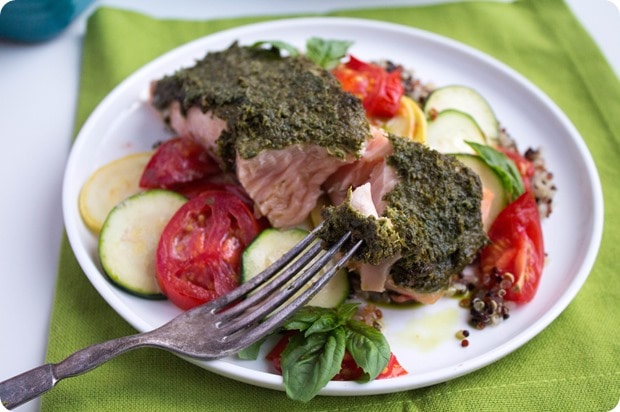
- Eat fish, especially fish like salmon (favorites: Pesto Baked Salmon, Salmon & Vegetable Egg Casserole), tuna (try my Black Pepper Crusted Yellowfin Tuna), or sardines (here’s a simple way to make them tasty), which are higher in omega 3s.
- Think about purchasing grass-fed, instead of grain-fed, meat.
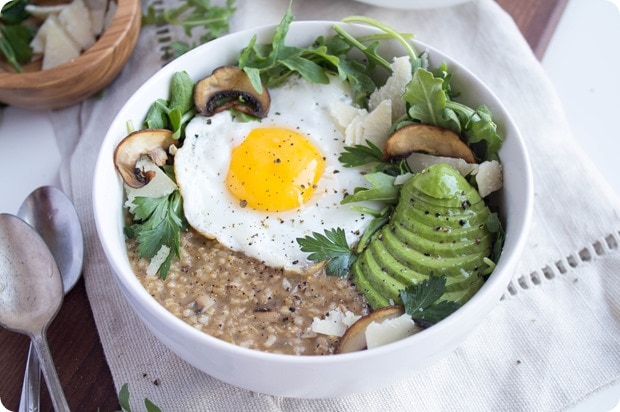
- Throw chia seeds, walnuts, ground flaxseed (or even avocado in the case of my savory oatmeal recipe pictured below!) into your favorite oatmeal, smoothie, or yogurt bowl to add omega-3s.
- Eat not just egg whites but the yolks, too, and enjoy the extra flavor and nutrients they provide.
- Enjoy nuts and seeds, and avocado, and even butter, plus anything else you might have avoided because you thought it had too much fat.
- If you are a dairy fan, go for the full fat version, and savor it! I still hear so many people order nonfat sweetened lattes at cafes – go for the whole milk and you won’t need so much sugar to make it taste good!

- And if you are going to buy packaged foods, check the ingredient list. The shorter, the better, and make sure you recognize everything on there as real food, too.
- Should Everyone Go Gluten Free?
- 7 Common Nutrition Myths (that you shouldn’t be fooled by!)
- How to Get Rid of Sugar Cravings
- The Sneaky Thing That Might Be Causing Your Stomach Pain
- What Oils To Use When (e.g. high heat cooking vs. baking vs. salad dressing)
- Trans-Fat: What It Is & How and Why To Avoid It
- How to Interpret Blood Test Results
- How to Eat for Running: Top 5 Nutrition Mistakes Made by Runners