With all the buzz surrounding fermented foods recently, most people probably know that there are “good” bacteria out in the world that can benefit your health, like prebiotics and probiotics. But you may be wondering, what does “good bacteria” even mean? And what exactly are prebiotics and probiotics?
Here’s everything you need to know about prebiotics and probiotics: what they are, what foods include them, and why you may want to consider adding them to your diet this year.
This is an article I wrote last month for syndication via the Associated Press, and I’m syndicating it back to my own blog as I thought you all might find it interesting/useful, too! So let’s get to it.
Want to save this post?
Enter your email below and get it sent straight to your inbox. Plus, I’ll send you great content every week!
What are probiotics?
Probiotics are living bacteria that are similar to the bacteria in your gut. They’re considered beneficial because they supplement the bacteria in your gut that works to keep your digestive tract healthy.
Since probiotics are living bacteria, they need energy to survive and thrive in your body, and that’s where prebiotics come into play.
What are prebiotics?
Prebiotics are a type of fiber that bacteria can ferment to use for energy. Essentially, prebiotics are food for probiotics.
Just like all other dietary fiber, our bodies can’t digest prebiotics, so they stay intact throughout most of the digestive tract. Once prebiotic fibers reach the large intestine, where much of your gut bacteria is housed, that gut bacteria ferments the prebiotics to fuel all of its beneficial activities.
Why are prebiotics and probiotics important?
Your gut microbiota, or the community of bacteria living in your gut, plays an important role in your health. Having a healthy gut microbiota means your gut is an optimal place for lots of different types of beneficial bacteria to live.
Since prebiotics provide food for beneficial gut bacteria, eating prebiotic fiber helps make your gut a great home for beneficial bacteria.
Your gut is home to about 100 trillion bacteria, and not all of them are beneficial. The overall goal in eating to improve gut health is to help the good bacteria outweigh the less helpful bacteria.
So, what’s the best way to increase beneficial bacteria? Eat the beneficial bacteria itself, probiotics, and supply that beneficial bacteria with the food it needs, prebiotics.
A thriving microbiota is crucial for a healthy immune system. Bacteria in the gut helps control your immune system’s response to intruders by signaling for the release of helper T cells and cytokines. Probiotic bacteria can also create a physical barrier in the gut to protect against unfriendly intruder bacteria.
Eating probiotic foods can also offset imbalances caused by taking antibiotics. When you have a bacterial infection, antibiotics are often prescribed to clear out the harmful bacteria – but they can take a toll on beneficial bacteria in the process. That can lead to digestive distress and diarrhea, but early research published in The Journal of the American Medical Association has shown that consuming probiotics may help prevent diarrhea associated with antibiotic use.
The gut microbiome is currently a hot topic for research, so new studies are coming out frequently that suggest additional benefits of eating probiotics and having a healthy gut. Studies in the European Journal of Clinical Nutrition have found that probiotics may be beneficial for sleep health and mood, and a study in the British Journal of Nutrition found they may be helpful for insulin sensitivity.
Sources of prebiotics
While all types of fiber have plenty of health benefits, not all are prebiotic fiber. Inulin and oligosaccharides are the most common types of prebiotic fiber, and they’re found in plenty of foods, including:
- Soybeans and other beans (I always add beans to my grain bowls for easy, filling lunches)
- Lentils
- Oats
- Wheat
- Bananas (for ideas, see this post: Healthy Recipes for Overripe Bananas)
- Apples
- Garlic (load up on garlic in my Lemon Garlic String Beans – the perfect easy side!)
- Onions
- Leeks
- Artichokes (try my Saucy Tomato & Artichoke Chicken – one pan and ready in 15 minutes flat)
- Asparagus
- Broccoli
- Cauliflower
- Cabbage
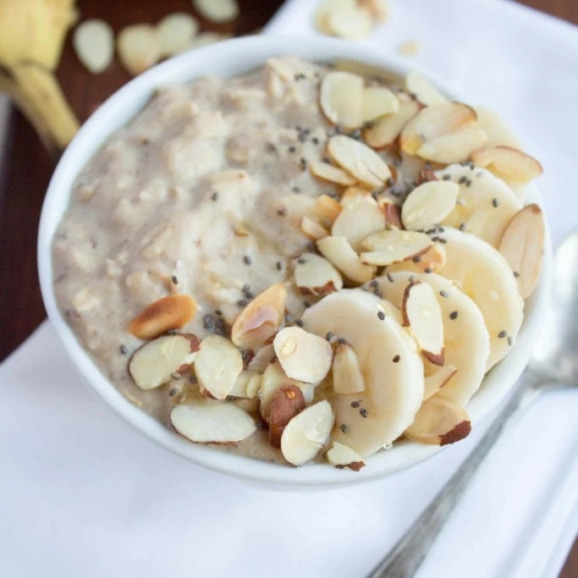
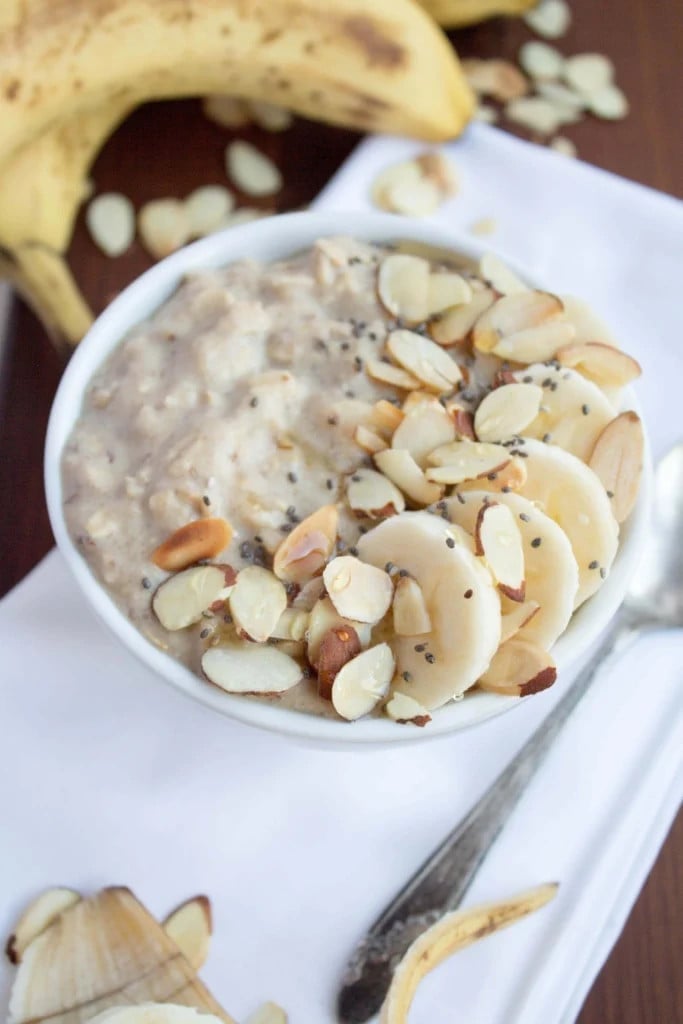
An example of a prebiotic-rich breakfast, for example, could be high-protein oatmeal made with oats, bananas and an egg for an extra protein boost.
Sources of probiotics
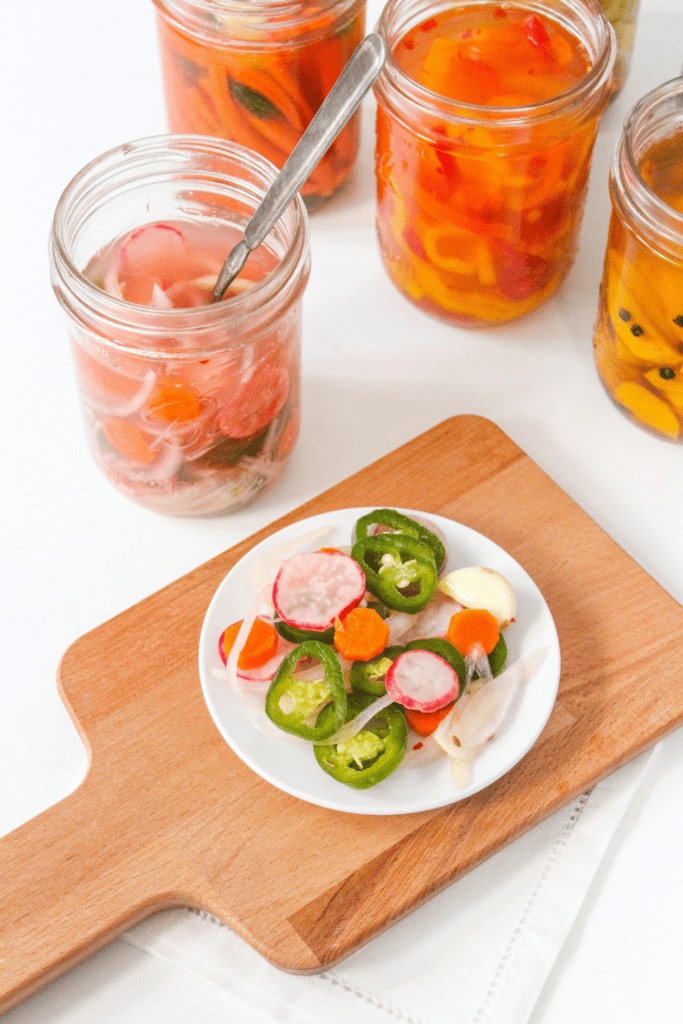
As for getting in probiotics, fermented foods are your best bet. Fermented foods cultivate bacteria through the fermentation process, so as long as those bacteria are alive and active when you consume them, you’ll reap all their benefits.
Getting in your probiotics does not have to mean taking a supplement, either. While those can be helpful, especially following a round of antibiotics, many real foods are great sources of probiotics, too.
It’s simpler than you might think to learn how to ferment vegetables on your own at home, but if that’s too daunting, it’s also easier than ever to find probiotic-rich options at the store.
“Since we know probiotics are an important part of immune health, I want my GI tract to be as armed as possible with good bacteria,” said Kath Younger, a Virginia-based Registered Dietitian. “Fermented foods like yogurt and kombucha are easy probiotic-rich foods to incorporate into your weekly meal plan.”
In addition to yogurt and kombucha, here are some other probiotic-containing foods to keep an eye out for at your local grocery store:
- Kimchi
- Sauerkraut — make sure to get the kind that’s refrigerated because heat treating sauerkraut to make it shelf-stable kills all the probiotics
- Kefir
- Tempeh
- Miso
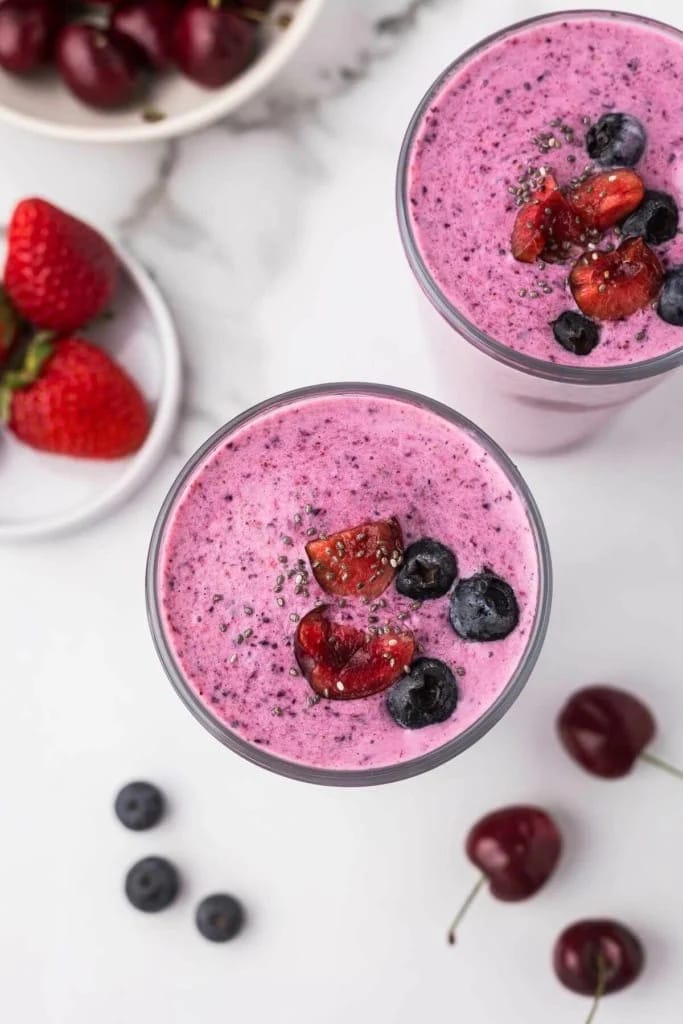
A simple probiotic-rich snack to try is a berry smoothie with yogurt. For an extra probiotic boost, swap out the milk for kefir.
The bottom line: Keep it simple
Adding more prebiotics and probiotics into your diet does not need to mean a massive diet overhaul, or the introduction of supplements. Keep it simple and aim to add one prebiotic-rich and one probiotic-rich food into your diet each day.
—
This article originally appeared on Food Drink Life.